
A new research study into the evaluation of the effects of PM2.5 on health from domestic solid fuel burning has now been published. It was commissioned by the Scottish Government and forms part of the Government’s promised investigations into air pollution from this source and will help inform policy for the next Cleaner Air For Scotland Strategy Plan.
It’s a very extensive report that draws on results from many other scientific studies from around the world that prove that PM2.5 pollution from solid fuel burning is harming the health of and taking the lives of people in Scotland. Below we’ve outlined the positives and negatives of the report from our campaign perspective.
The positives
- Considerable health impacts are occurring solely from PM2.5 produced by solid fuel burning.
- Shows evidence of the worst affected areas being urban ones particularly across the central belt.
- Modern upgraded Ecodesign stoves still produce significant pm2.5 pollution and are no better than older design stoves.
- Very few Scottish households depend exclusively on solid fuel for heating and the majority of burning is likely to be supplementary.
- Solid fuel use within Smoke Control Areas is common and a loophole is being utilised by individuals that allows appliances that are “defra approved” to be used.
- Many respondents to the Defra/Ipsos survey from 2022-2023 stated that aesthetics, cost and using as a supplement to central heating were the primary reasons for burning rather than actual necessity.
- Different strategies and solutions will be required for urban areas versus rural areas. The Scottish Government have already compiled a very useful guide called the Urban Rural Classification of 2022 which will greatly help with defining areas.
- Makes a note of the fact that despite over 15,000 complaints made in England regarding smoke pollution from solid fuel burning, only 24 fines were issued meaning that this would not be an effective way to target the problem.
Everything above is exactly what ourselves, other health advocates and clean air organisations have been saying for years and it’s important that the report has acknowledged all these facts.
The negatives
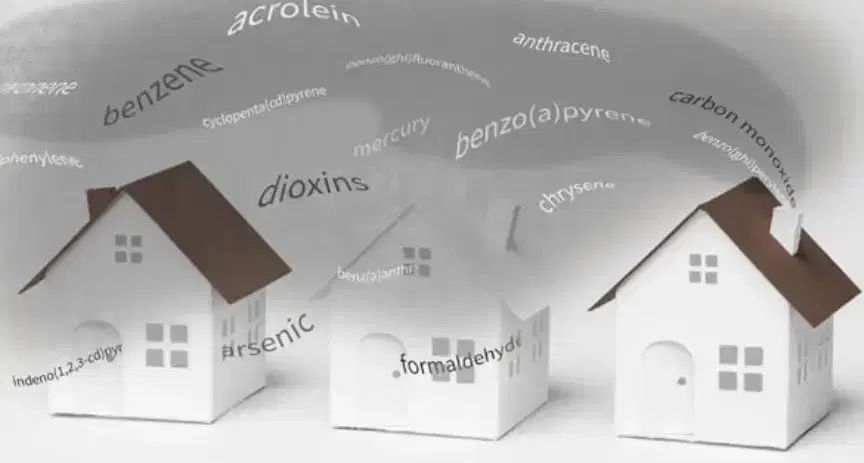
- This report only looked at PM2.5 pollution from solid fuel burning. As we know there are a variety of toxic chemicals released when solid fuel is burnt, many of which are known carcinogens (cancer causing) and all of which contribute to poor health. Many are smaller than PM2.5 particles, meaning they will get straight into your body and evade your body’s natural defences.
2. Recommendations made in the report are weak with all possibilities suggested or modelled having very limited potential if acted upon. Even when the “burn better” suggestion was modelled, it’s impact on saving lives and improving health was still poor, certainly not giving enough benefit to make it worthwhile as a solution.
Not burning at all unless absolutely necessary is the only solution that will help.